
Self Esteem Tools
— Established 2020 —
Short Burst Productivity That Actually Works
🔊 Listen here and/or read on...
The Pitfalls Of Not Being Productive.

Everyone has a day or two now and then when they aren't as productive as they could have been. But if you find yourself constantly working but not being productive, this is likely to cause several lasting implications not only on your morale but your future work as well.
You May Experience Guilt.
When you feel you aren't productive, you may start to feel guilty about it. And this guilt is a vicious cycle. When you feel feelings of guilt, you are much less likely to be able to focus on a project to be productive. So even not being productive for a single day can impact your entire week.
You’ll Lose Motivation.
A huge aspect of motivation is the feeling of accomplishment. If you aren't feeling productive in your work, you're likely to miss out on the feeling of accomplishment, and then you won't have any motivation to work. Like guilt, the lack of motivation is also a vicious cycle that is difficult to escape once initiated.
You’ll Leave A Trail Of Half-Finished Projects.
If you aren't accomplishing anything, you will probably leave a trail of unfinished projects in your wake. And this won't just affect your morale, but it may make you look bad to your employer or coworkers who have to finish these projects you are constantly abandoning.
It Could Lead To Depression.
Often, when people feel they don't have a purpose in life, they could experience melancholy or depression. This is because humans often tie their emotional well-being in with their sense of accomplishment. And just like everything else on this list, once you've fallen into the pit of despair of thinking you don't have a purpose, it can be difficult to recover.
Although remaining productive is a difficult and challenging task, it is necessary to maintain your sense of emotional well-being. This is because without productivity, you're likely to feel guilty, unmotivated, and maybe even depressed, and it's likely those around you won't feel too great about having to pick up your slack either.
The best way to avoid these pitfalls is to do your best to remain productive in your everyday life. And remember, even if one day you may not finish what you want, the next day is a new and productive day.
🔊 Listen here and/or read on...
Why Is Being Productive So Important?
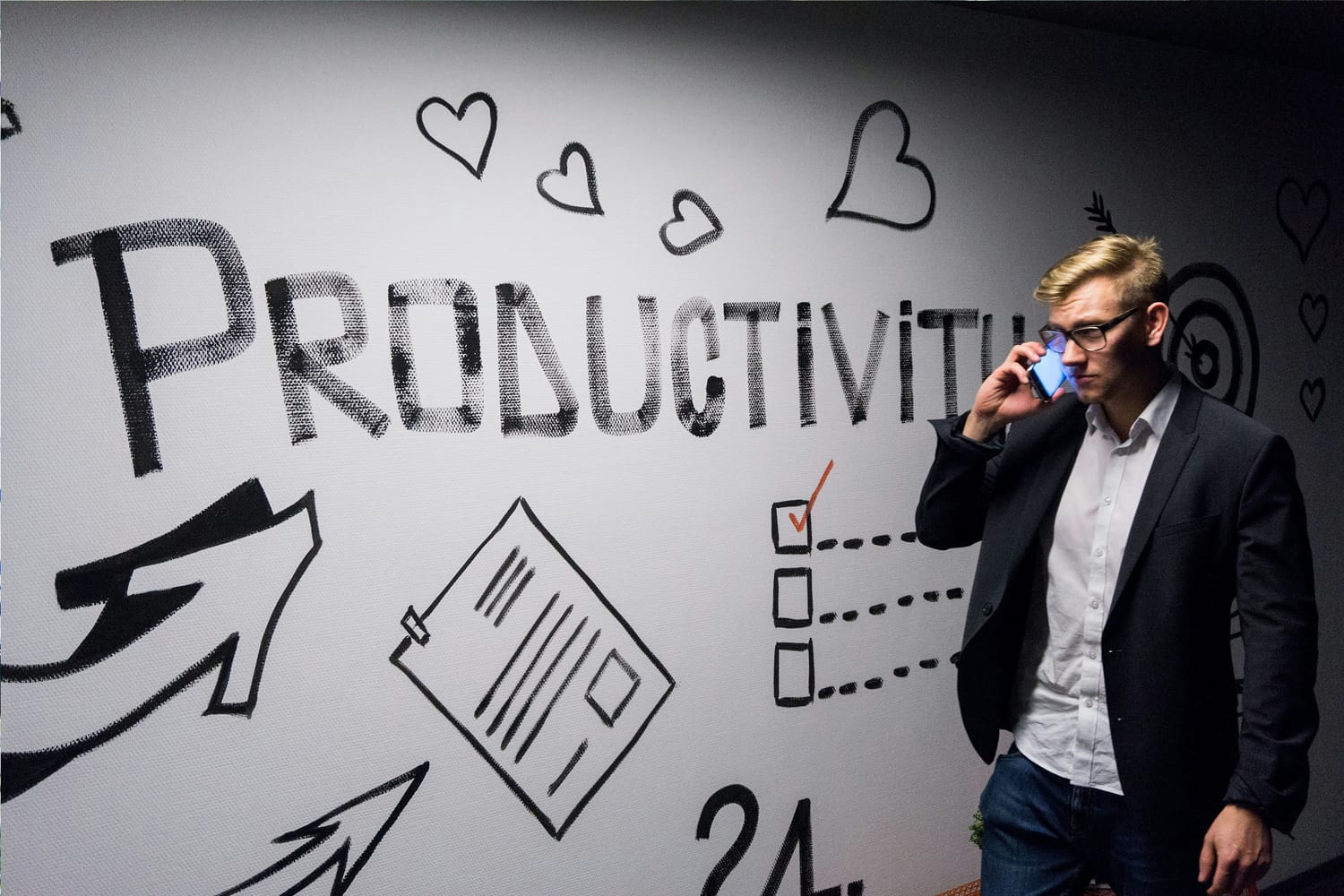
You’ve likely been told that being productive is important, but you may not know exactly why. And the answer honestly isn’t that easy, as being productive can affect different parts of your life.
You Manage Your Time More Effectively.
One thing that productivity does is it allows you to have more control over your life. This way you will have time to do all the activities which truly make you happy while still balancing work life. Not only that, but you won't ever feel like you’re wasting your time either. And who knows, you might finally have time to try that one thing that has always been on your bucket list.
It Keeps Your Mind Active.
As you grow older, according to scientists at Harvard Health, it’s just as important to keep your mind active as it is to keep your body healthy. This is because your mind starts to deteriorate if you don't constantly keep working and learning new things.
And a deteriorating mind can lead to a plethora of other problems and diseases, which could lead to an early death. Therefore, focusing on being productive not only keeps your mind engaged but also keeps it active and functioning for years to come—all while you are accomplishing the things you aspire to achieve.
Your Quality Of Life Increases.
In this world, everyone knows time is money. So, when you have more time, you’ll likely have more money as well. Just look at some of the most famous CEOs and their productivity levels, and all the fun they get to have.
Honestly, they live a pretty high-quality life no matter how you look at it. This doesn’t necessarily mean you’ll make more money by being productive, but it does mean you’ll finally have time to start that side business you always wanted to.
It’s The Key To Happiness.
Money can't buy happiness, but being productive can. The Anxiety and Depression Association for America has found numerous studies that conclude some people can achieve similar results with medication for their depression by increasing productivity only.
Of course, this doesn't work for everyone, but productivity boosts your mood and motivates you, which will likely increase your outlook on life and emotional health.
The point is, most people don’t prioritize productivity as they should. Productivity is truly the key to better time management, which has proven to keep your mind healthy and happy for years to come.
🔊 Listen here and/or read on...
What Is Short-Burst Productivity?
It can sometimes be difficult to stay on task and productive for extended periods. And this is why many experts recommend changing the style of your work to short dedicated bursts.
Work Smarter Not Harder.
Although you may think that if you work for an eight-hour day, you will accomplish things more quickly, according to consultant Francesco Cirillo, this is not true. This is because, during a long work period, numerous distractions constantly pull you away from your work, such as emails and phone calls, which can’t be ignored.
Also, the pressure on your mind to perform over a long period can quickly transform into frustration. And this frustration leads to you accomplishing less than you think. This is why it is recommended to break your workday down into shorter chunks of time.
How It Works.
Short-burst productivity focuses on remaining hyper-focused for a short, specified period. And during this time, you mustn't acknowledge any distractions.
1. First, make a list of everything you need to get done, then you set your timer. Cirillo recommends using a physical timer and setting it for 25 minutes to start.
2. When the timer goes off, take a 3-5-minute break to address anything you may need to, then set the timer again and do another 25 minutes.
3. Repeat this three times until you have worked for just over 100 minutes.
4. Then take an extended twenty-minute break before starting the cycle over again.
You’ll likely be surprised when you look back over what you accomplished.
Why A Physical Timer?
You should use a physical timer, such as a kitchen timer, and not the 'glance at the clock' method because having something count down that you can physically see is part of the effect.
This helps you feel a sense of urgency in your work, even if the work you are completing isn’t urgent. And when the timer goes off, you will likely feel a sense of mild accomplishment of what you’ve completed.
The concept of short-burst productivity may not sound like it is an efficient way to work, but experts who have worked with the human mind for years swear by it. So next time you have a large project to tackle, consider grabbing your kitchen timer and try breaking it down into easier pieces to handle.
🔊 Listen here and/or read on...
What Are The Benefits Of Short-Burst Productivity?

Although it may sound strange, most human productivity experts recommend that people employ the short-burst productivity methods while working. And this isn’t without reason, as they have found numerous benefits in productivity when humans work for shorter periods.
It Minimizes Distractions.
In this day and age, when every employee has a personal cell phone and access to the internet, it’s extremely easy for them to get distracted from their work. This is because you never know when your phone rings if it’s something which can wait, and you have no specified time of when you should answer it, so there’s no reason not to answer it right then.
When you dedicate yourself to working for 25 minutes in the short burst method, you're less likely to engage in these distractions because you’ll have a specified break in a few minutes in which to deal with these distractions.
It Keeps You Focused.
When you work for long periods of time, it’s not uncommon for the human mind to wander—this is just how the human mind is. Short productivity bursts stops this wandering in its tracks because focusing for 25 minutes is much easier than telling your mind to stay engaged for four or even eight hours.
And when you’re focused, you’ll produce more work than when you keep thinking about what you will do after work every five minutes.
Not only that but focusing for 25 minutes on work in front of you stops multitasking, which many people engage in even if they don't notice.
It Challenges Your Brain.
One of the main tactics of short-burst productivity is to pit your mind against a timer where you can see the remaining time countdown. Whether you realize it or not, this puts some pressure on your brain and helps your mind see the work as a challenge that it needs to complete before the time runs out.
This is a stark difference from sitting at your desk all day knowing you have a deadline, but it’s hours away, so you don't worry about it. The timer gives you a sense of urgency, which in turn gives you a sense of motivation.
Overall, there are numerous benefits to changing your work style to short-burst productivity, such as fewer distractions, increased focus, and more of a challenge for your mind. So, give short-burst productivity a day and see what all you can accomplish in your life!
🔊 Listen here and/or read on...
How Working In Bursts Could Change Your Life.

Maybe someone has introduced you to the method of working in short bursts, but it all just sounds so strange to you. And granted, it doesn’t seem like you could accomplish much in twenty-five-minute intervals, so why would you switch? Well, you might be surprised to find out that working in short bursts can change your life.
What You Will Accomplish Will Astound You.
The obvious change is you will be shocked by the amount of work you can get done in such a short time. You likely didn't even realize how truly distracted you were before. And your motivation levels and sense of accomplishment will be through the roof! Which will only lead to you achieving even more!
You’ll Spend Less Time On Social Media.
You probably don’t even realize how much time you currently waste away on your phone. Whether it's scrolling through social media, watching videos, or simply surfing the net, when you split your work up into short bursts, you'll put a timer on your social media time, which will cut it way back—and give you more time for the things which matter in life.
You’ll Remember More.
Studies have shown that the longer the work period, the more your concentration, focus, and, most importantly, your memory tends to suffer. Memory world champion Dominic O’Brien swears by the short burst method and all it’s done for his astounding memory capabilities. Using this method to memorize works because when your brain focuses for too long, it gets stressed and retains less. So, when you give it frequent breaks, it has an easier time remembering the content.
You’ll Have More Free Time.
Besides just trimming down your social media time, you'll be surprised about how much spare time you have each day that you aren’t spending just staring at your computer or day dreaming out the window. With the short burst method, you are forced to use your time more effectively, keeping your brain wandering to very short, timed intervals. This will lead to having lots of time left over at the end of your day for more of the hobbies you enjoy.
Although working in short bursts might sound like a weird concept, it works, and the experts swear by it and all it has done in their lives. Give it a try today, after all, you have nothing to lose, and the method has the possibility to absolutely change your life for the better.
🔊 Listen here and/or read on...
Are There Any Drawbacks to Working In Short Bursts?

Conquering your work by dividing it and completing it in short bursts has long been the favored work method of experts and workers worldwide. So, what are the drawbacks to working in short bursts? Are there any? Well, like anything in this world, there is a downside, but it isn’t as bad as you may think.
It Doesn’t Work for Every Project.
There are some projects or assignments which we can't break into smaller parts. For example, if you have to transcribe a live lecture, taking a break every twenty-five minutes isn't feasible, and if you tried, your notes would be inconsistent and incomplete.
Team projects can also be difficult to apply the short burst work method to, because sometimes it can take twenty-five minutes for everyone in the group to reign in their attention and bring the project where it needs to be. Having a timer interrupt this process could be detrimental and slow down the production process.
It Doesn’t Work for Everyone.
Some people find that having a timer count down as they work makes them too anxious and edgy, and as a result, their work quality will suffer. And experiencing anxiety while you work is never a pleasant experience. If this is you, don’t force the method.
You can still work for short periods and take breaks without the rigid time clock imposed by using a timer. Part of the short burst method of working is to find a work method that helps you get stuff done. If this isn't that method, that's okay too.
Sometimes You Work Too Fast.
The short burst work method is praised for its results in the speed with which its users produce work. But sometimes, as someone is working quickly and up against a ticking clock, they may make careless mistakes that they would have caught if they were working at a slower pace.
If mistakes can be detrimental to your work, you can still try the short burst method of completing tasks; just make sure you go back and check your work more slowly later.
In general, the positives of working in short bursts far outweigh the drawbacks. And even if you find a situation or project the method can't be employed on, this doesn't mean you can't successfully use the tactic to complete a different project later.
🔊 Listen here and/or read on...
Why Is Working in Short Bursts So Powerful?

If you’ve ever used the short-burst productivity method for your work, you’ve likely been amazed at all you can accomplish in a cluster of short periods of work. And this isn't by mistake—there are many reasons the human mind works better in short bursts than spending all day on one project.
Short Term Goals.
In goal setting, you are encouraged to break up your largest goals into smaller pieces. This is because you're more likely to stay motivated, on track, and focused when you have clear stepping stones to your goal. Breaking down your day of work functions in this same way, you are breaking your work into shorter goals making it easier for you to stay motivated and complete the work.
It Increases Problem Solving.
When the human mind comes across a problem, it can easily become overstressed if it takes too much time focusing on the issue. And when your mind is overstressed, you're unlikely to be able to problem-solve effectively. When work is broken into shorter bursts, where you take frequent breaks, this keeps your mind from getting overstressed and keeps you on the top of your problem-solving game.
It Mirrors The Attention Span.
Although you're an adult, you still have a maximum attention span, and at the end of this period, your mind will likely begin to wander.
So why fight human nature by scheduling yourself to work for long periods when your mind is bound to wander? Exactly.
The short-burst productivity method works because 25 minutes is directly in line with the average adult human attention span, working with your nature of focus instead of against it.
It’s Easier To Resist Tempting Distractions.
People are often drawn away from their work by several distractions, such as talking to coworkers, their phone, or a food break. When you divide your work into smaller pieces, it becomes easier to resist the temptation to be distracted because you know you will be free in a few minutes, and it makes no sense to interrupt your workflow now.
When you don't have a specified work time and know you have a day that ends at a certain hour, you have no reason to avoid distractions.
Working in short bursts is powerful. Unlike other work methods, it works with human nature, rather than against it, holding your attention, keeping you motivated, and helping you stop distractions in their tracks.
🔊 Listen here and/or read on...
5 Tips to Help You Start Being More Productive.

Being productive and staying on task can be very difficult, especially if you are in a situation where you work from home without a manager or coworkers looking over your shoulder. The road to productivity isn't easy, but there are a few minor changes you can easily make to increase your productivity level.
1. Make Daily Goals.
When you wake up in the morning, write down everything you need to accomplish in the day. This will help bring it all to the front of your mind and make a visual representation of your tasks. You can also cross off tasks as you increase your motivation and sense of accomplishment, which will help you further stay on task.
2. Find The Time You Work Best.
Not everyone is up and ready to go at the crack of dawn. If you are lucky enough to choose your work hours, try experimenting with a few different times. You may find you work better in the afternoon, or maybe after you've eaten dinner. Either way, find the time that works for you and aim to work during that period.
3. Try Different Tactics.
No one method of finishing work is successful for everyone. Try employing different tactics, like working in short bursts for twenty-five minutes then taking a break. Or maybe having music on in the background may help keep you on task. You never know what may increase your productivity until you try something new.
4. Perfect Your Workspace.
Remove distractions from your workspace. If that’s your TV, then perhaps consider working in the kitchen. If your phone is a distraction, leave it in another room. Whatever you have to do, try to make your workspace somewhere where your body knows it is time to work and you aren’t constantly pulled away from your work by distractions.
5. Don’t Linger On Decisions.
If your job relies heavily on decision making, don’t linger on these decisions. The longer you think about these decisions, the more likely you are to over complicate the problem for yourself and draw out the process even more. Experts recommend allowing yourself no more than sixty seconds to make a decision, as your first impulse is usually the right choice anyways.
Overall, remaining productive throughout the workday can be difficult, but if you employ these five tactics, you may find yourself able to accomplish more than you originally thought.
🔊 Listen here and/or read on...
What Is the Pomodoro Technique?
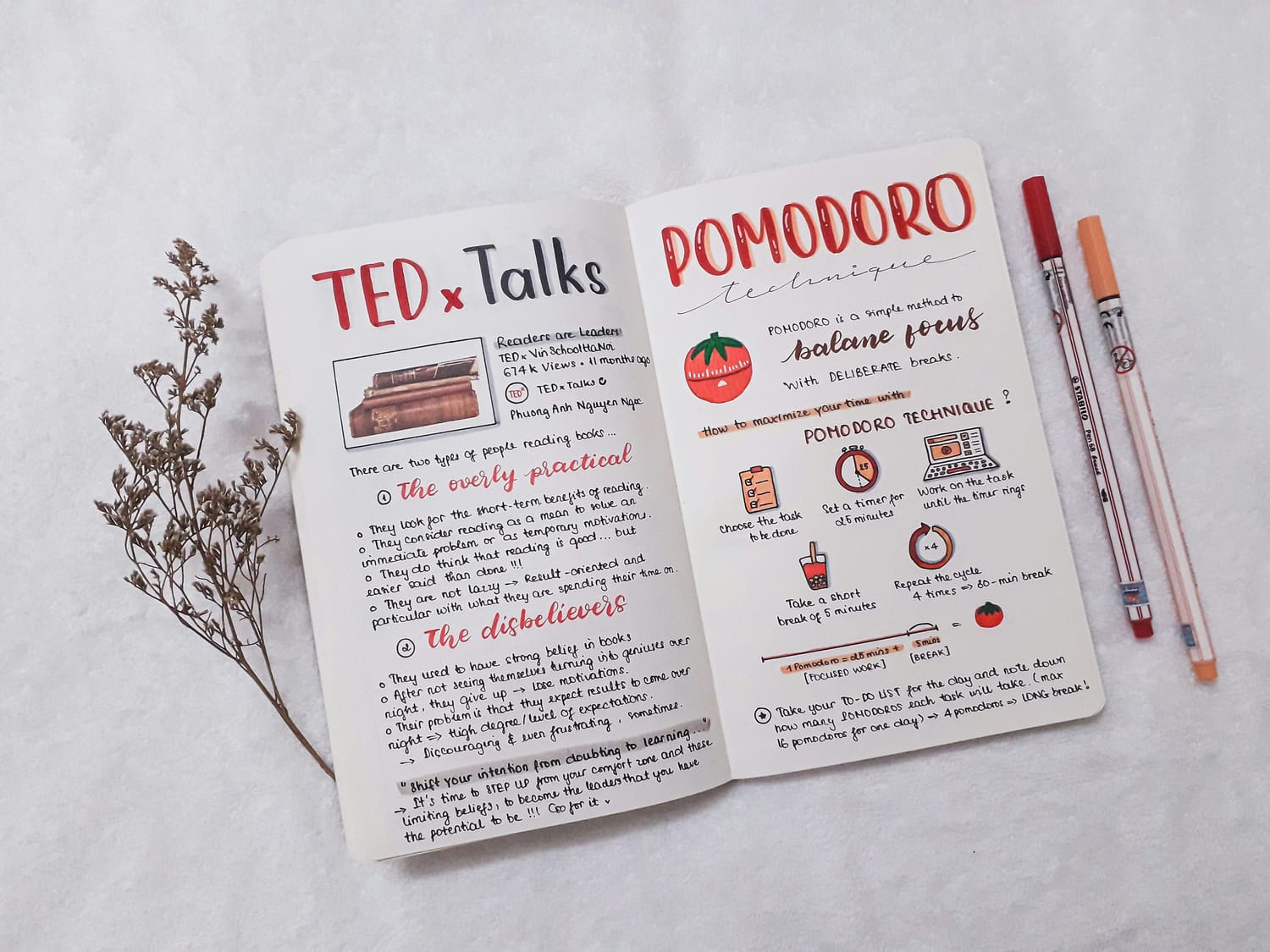
If you’ve recently tried the short-burst productivity technique, you’ve likely come across something called the Pomodoro Technique. But if you’re unfamiliar with the technique, it can be difficult to use it without first gathering more information.
What Is It?
First off, what is the Pomodoro Technique? Well, it is a type of short-burst productivity method which many experts swear has changed their lives. Those who use it tend to experience increased time management skills and productivity—all while having more free time to engage in the activities they choose than they did before.
How To.
· The Pomodoro Technique is done by first selecting the task you wish to focus on, then setting a timer for twenty-five minutes.
· Work while the timer is ticking, then when it goes off, take a quick two- or three-minute break before setting the timer for another twenty-five minutes.
· Repeat this three times until you’ve worked for 100 minutes, then take a longer break and start at the beginning if the task is not yet complete.
· Make sure you don’t give in to any distractions during the twenty-five-minute periods.
Where Did It Come From?
This technique was invented in Italy by Francesco Cirillo in the late 1980s. He was having difficulty completing his tasks and decided to set a timer for 10 minutes and then take a break.
He was so surprised by how much he could accomplish that he kept on using the technique! In his original trials, the timer he used was a kitchen timer shaped like a tomato, hence the name ‘Pomodoro Technique.’
Why Does It Work?
The Pomodoro Technique is successful for several reasons. Mostly, it works because it keeps the human mind functioning within its range of focus. Humans weren't meant to focus on a task for hours on end without breaks, so the technique helps the mind work more efficiently in the state it was meant to work in.
The average adult attention span is only about twenty or thirty minutes, which is why Cirillo chose twenty-five minutes for his technique.
Not only that, but the technique also functions, in the same way, breaking a big goal into smaller goals does. It makes the work more attainable and keeps you motivated through the entire process as you conquer each achievement.
Overall, the Pomodoro Technique is a very specific short-bust productivity method, one with proven results, that can help keep you on task effectively simply by splitting your work into shorter twenty-five-minute bursts.
🔊 Listen here and/or read on...
Be More Productive with These 3 Tips.
Everyone knows that productivity is essential to success, but being productive is often easier said than done, especially in the age of the internet when many people are working from home. If you want to become more productive but aren't sure how to begin, try following these three easy tips to get you started.
1. Have A Plan.
It’s extremely difficult to be productive if you aren't sure exactly what you have to do. This is why you need to start your journey to productivity by having a plan. This can be a plan for the day, the week, or even the month, whatever suits your work style.
It's best to make the goals small and achievable daily—this will help you stay focused and on track. It will also help keep you motivated as you will feel accomplished every time you cross something off the list.
2. DON'T Give In To Distractions.
This is a tough one. Distractions come in all shapes and sizes, everything from technology (your phone) to food and even your friends or coworkers. The best way to start being more productive is by finding an area you can work in with little if any, distractions. This could mean removing the TV from your office or finding somewhere to work that isn’t the kitchen.
Then you should commit to not picking up your phone or checking your email for a specified period of time while you work. You'll find this helps tremendously with keeping you on task and preventing you from wasting time on something you don’t need to waste time on.
3. Take Breaks.
Numerous studies have shown that your brain works most effectively when it takes frequent breaks from a difficult task. Some people like to specify and time these breaks using a timer for maximum productivity. But you don’t have to rigidly schedule breaks to benefit from them. Even just stepping away from your desk for five minutes because you're frustrated at something can do wonders for your productivity levels, as well as your mental health.
Although it can be difficult to stay on task, it's quite easy to boost your productivity simply by having a plan, avoiding distractions, and taking adequate breaks. Employ all three in your life, and you'll likely be surprised by how much your productivity increases!
SHARE


Self Esteem Tools
© 2020 - 2026 SelfEsteemTools.com
All rights reserved